Travel update

Dubai is open and welcoming visitors as normal. · Book today with free cancellation up to 24 hours before your trip.

Navigation
Dubai Desert Guides
MAGAZINE & GUIDES

Stories, Tips & Travel Guides

Insider recommendations, desert packing guides, and curated UAE itineraries written by local safari guides and destination planners.

Baku vs Tbilisi vs Yerevan: Cost of Living and Remote Work Comparison
Travel Guide
Oct 10, 2026 5 min read

Baku vs Tbilisi vs Yerevan: Cost of Living and Remote Work Comparison

The South Caucasus trio—Baku (Azerbaijan), Tbilisi (Georgia), and Yerevan (Armenia)—represent three of the most exciting, culturally distinct, and budget-friendly destinations in Eurasia. Each city offers high-speed fiber internet, affordable European-standard living, rich culinary traditions, and easy access to ancient Silk Road mountains. Cost & Remote Work Breakdown: The Caucasus Triad Metric Baku, Azerbaijan Tbilisi, Georgia Yerevan, Armenia Monthly Nomad Budget $1,100 – $1,600 USD $1,200 – $1,800 USD $1,100 – $1,600 USD 1-Bedroom Central Rent $450 – $750 USD $550 – $850 USD $500 – $800 USD Visa Policy for Tourists 30-day ASAN e-Visa (~$25) 365-day visa-free (95+ countries) 180-day visa-free (60+ countries) Wi-Fi & Mobile 4G/5G Fast fiber; modern cafes Widely available; great coworking Excellent speeds (Ucom/Viva) Ride-Hailing Apps Bolt, Yango ($1.50–$3/ride) Bolt, Yango ($2–$4/ride) GG, Yandex Go ($1.50–$3/ride) 1. Baku: Cosmopolitan Caspian Energy & Oil Heritage Baku feels like a fusion of Dubai and Paris. Grand Haussmannian pedestrian avenues like Nizami Street lead down to the Caspian Sea promenade (Baku Boulevard). It is spotless, hyper-modern around the Flame Towers and Heydar Aliyev Centre, and boasts outstanding tea culture and grilled kebabs. 2. Tbilisi: Bohemian Freedom, Wine, & Coworking Hubs Tbilisi remains the undisputed nomad capital of the Caucasus thanks to its unmatched 1-year visa-free stay for Western and GCC passport holders. Districts like Vera and Marjanishvili (centered around the Fabrika creative hub) offer dozens of laptop-friendly cafes, natural Georgian wine cellars, and thermal sulfur baths. 3. Yerevan: Sun-Drenched Ancient Culture & Mountain Vistas Yerevan is walkable, vibrant, and deeply cultural. The city revolves around open-air wine terraces along Saryan Street, the monumental limestone Cascade art museum, and views of Mount Ararat. Locals are exceptionally welcoming, and tap water is free from street fountains (pulpulaks). Frequently Asked Questions (FAQs) Can I travel overland between Azerbaijan and Armenia? No. The border between Azerbaijan and Armenia remains closed. If traveling between all three countries, you must transit through Georgia (e.g. Baku to Tbilisi, then Tbilisi to Yerevan by overnight sleeper train or private car).

Old Tbilisi Walking Tour: Self-Guided Map and Hidden Spots
Travel Guide
Oct 10, 2026 5 min read

Old Tbilisi Walking Tour: Self-Guided Map and Hidden Spots

Old Tbilisi (Dzveli Tbilisi) is one of Europe's most charming historical quarters. Nestled beneath the ancient 4th-century Narikala Fortress along the Mtkvari River, this maze of cobblestone alleys is famed for its ornate pastel-painted wooden balconies, centuries-old sulfur bathhouses, and secluded Italianate courtyards. The 7-Stop Self-Guided Walking Route This 3-kilometer walking tour takes approximately 3 to 4 hours, leaving plenty of time for photography, rooftop coffee, and wine tasting. Stop 1: The Bridge of Peace & Rike Park Begin at the futuristic glass-and-steel Bridge of Peace spanning the Mtkvari River. Stroll through Rike Park to the base station of the Tbilisi Aerial Cable Car. Stop 2: Cable Car to Narikala Fortress & Mother of Georgia Ride the cable car (2.5 GEL with a Metromoney card) up the ridge to Narikala Fortress. Walk along the scenic mountain ridge path to the towering 20-meter aluminum statue of Kartlis Deda (Mother of Georgia) holding a bowl of wine for guests and a sword for enemies. Stop 3: Betlemi Street & Carved Wooden Balconies Descend down the historic Betlemi Stairs into the heart of Old Tbilisi. Photograph the picturesque pastel-blue carved wooden balconies overlooking quiet pomegranate courtyards. Stop 4: Abanotubani Domed Sulfur Baths Walk to the brick-domed roofs of Abanotubani where natural hot sulfuric thermal springs have revitalized travelers from Marco Polo to Alexander Pushkin for centuries. Admire the Persian-mosaic facade of the historic Chreli Abano bathhouse. Stop 5: Leghvtakhevi Waterfall & Canyon Just behind the sulfur baths, follow the wooden boardwalk through a dramatic natural canyon that leads directly to the 22-meter-high Leghvtakhevi Waterfall in the center of the city. Stop 6: The Clock Tower of Rezo Gabriadze Walk north toward Shavteli Street to marvel at the whimsical, leaning fairytale Marionette Clock Tower designed by master puppeteer Rezo Gabriadze. At the top of every hour, a mechanical angel emerges to strike the bell. Stop 7: Traditional Khachapuri & Amber Wine at Sioni Conclude your walk near Sioni Cathedral with a piping-hot cheese-filled Adjaruli Khachapuri and a glass of traditional 8,000-year Qvevri amber wine at a cozy cellar tavern. Frequently Asked Questions (FAQs) Do I need to book the sulfur baths in advance? For public communal baths, walk-ins are fine. For private VIP rooms (like at Gulo's, Chreli Abano, or Royal Bath), booking 1 to 3 days in advance is highly recommended.

Day Trips from Yerevan by Marshrutka: Garni, Geghard, and Sevan
Travel Guide
Oct 10, 2026 5 min read

Day Trips from Yerevan by Marshrutka: Garni, Geghard, and Sevan

Armenia's compact geography makes Yerevan the perfect base for unforgettable day trips. Using local marshrutka (shared minibuses) and affordable app-based taxis (GG/Yandex), you can easily visit ancient pagan temples, rock-carved cliff monasteries, and azure alpine lakes for just a few dollars. 1. Garni Temple & the Symphony of Stones What It Is: The only standing Greco-Roman colonnaded pagan temple in the former Soviet Union, built in the 1st century AD perched atop the Azat River Gorge. Below lies the dramatic Symphony of Stones basalt cliff columns. How to Get There: Take Marshrutka #266 or #284 from Gai Bus Station (behind the Mercedes showroom in Nor Nork) directly to Garni village (approx. 40 minutes, 300 AMD / $0.75 USD). 2. Geghard Monastery (UNESCO World Heritage) What It Is: A medieval monastery founded in the 4th century, partially carved directly out of adjacent vertical mountain cliffs, celebrated for acoustic chamber choirs. How to Connect from Garni: Geghard is located 9 km past Garni. Hail a local taxi from Garni village to Geghard and back for around 2,000–3,000 AMD ($5–$7 USD). 3. Lake Sevan & Sevanavank Monastery What It Is: One of the world's largest high-altitude freshwater alpine lakes at 1,900 meters elevation, crowned by the 9th-century black-stone Sevanavank Monastery. How to Get There: Take a marshrutka from Northern Bus Station (Hyusisayin Avtokayan) to Sevan town (approx. 1 hour, 1,000 AMD / $2.50 USD), or book a direct Yandex taxi for around 6,000–8,000 AMD ($15–$20 USD). Frequently Asked Questions (FAQs) How do I pay for marshrutkas in Armenia? Payment is made in cash directly to the driver upon exiting or boarding. Always carry small Armenian Dram coins (100, 200, 500 AMD).

How to Visit Big Almaty Lake and Charyn Canyon Without a Tour
Travel Guide
Oct 10, 2026 5 min read

How to Visit Big Almaty Lake and Charyn Canyon Without a Tour

Kazakhstan's southern capital, Almaty, is blessed with some of Central Asia's most dramatic alpine scenery and geological formations. While tour agencies charge steep group rates, independent travelers can easily visit Big Almaty Lake (BAO), Shymbulak Mountain Resort, and the majestic Charyn Canyon on their own terms. 1. Visiting Medeu & Shymbulak Ski Resort Located just 25 minutes from downtown Almaty, you can take public Bus #12 from the Hotel Kazakhstan bus stop directly to the Medeu Ice Rink for only 100–200 KZT ($0.25–$0.45 USD). From Medeu, take the world's third-longest gondola cable car system up to Shymbulak Mountain Resort (approx. 5,000–6,000 KZT return) to enjoy 3,200-meter peak views and alpine dining. 2. How to Visit Big Almaty Lake (BAO) Perched at 2,511 meters in the Ile-Alatau National Park, this turquoise glacial reservoir changes color with the seasons. Take a Yandex Go taxi from central Almaty to the national park checkpoint / pipe junction (approx. 3,500–5,000 KZT). From the checkpoint, enjoy a scenic 6km paved hike up the gorge to the lake viewpoint. 3. DIY Day Trip to Charyn Canyon Known as the 'Valley of Castles', Charyn Canyon is located 215 km east of Almaty along the Kulzha highway. Renting a car via local apps (or hiring a private Yandex driver for the full day for around $70–$90 USD) allows you to arrive at 9:00 AM before tourist buses, hike the 3km red sandstone canyon bed down to the Charyn River, and return at your own pace. Frequently Asked Questions (FAQs) Can you swim in Big Almaty Lake? No. Big Almaty Lake serves as the primary drinking water source for the city of Almaty. Swimming, camping on the immediate shoreline, and crossing into the border perimeter are strictly prohibited and enforced by border guards.

Tashkent Metro Station Guide: Photography Rules, Routes, and Maps
Travel Guide
Oct 10, 2026 5 min read

Tashkent Metro Station Guide: Photography Rules, Routes, and Maps

The Tashkent Metro in Uzbekistan is widely regarded as one of the most architecturally stunning underground transit networks in the world. Opened in 1977 as Central Asia's first subway system, each station is a unique artistic showcase decorated in carved marble, polished granite, ceramic relief murals, and grand chandeliers. Photography Rules & Ticket Costs For decades, photography inside the Tashkent Metro was strictly forbidden due to its dual designation as a nuclear bomb shelter. In June 2018, the ban was officially lifted. Tourists and locals are now 100% free to take photos and videos inside all stations. Single-ride tickets cost just 1,400 to 2,000 UZS (less than $0.15 USD). You can simply tap your contactless Mastercard/Visa card, Apple Pay, or purchase a QR-code paper token at the station entrance. Top 5 Most Beautiful Metro Stations to Visit Kosmonavtlar (Cosmonauts Station - Blue Line): The crowning jewel of the network, featuring dark-blue to light-blue gradient ceramic walls, round moon-like chandeliers, and portrait medallions of Yuri Gagarin and Valentina Tereshkova. Alisher Navoi (Red Line): Named after Uzbekistan's national poet, designed like a royal mosque interior with intricate turquoise dome cupolas and Islamic arabesque vaulting. Mustaqillik Maydoni (Independence Square - Red Line): Built entirely from white marble extracted from the Kyzylkum desert, illuminated by geometric crystal chandeliers. Pakhtakor (Cotton Pickers - Red Line): Adorned with vibrant mosaic wall murals depicting blossoming cotton flowers in classical Uzbek blue and gold tones. Toshkent (Blue Line): Commemorates the 2,200th anniversary of Tashkent with blue glazed pottery tiles depicting city milestones and Peacock emblems. Frequently Asked Questions (FAQs) What are the operating hours of the Tashkent Metro? The metro operates daily from 5:00 AM to midnight. Trains arrive every 3 to 5 minutes during peak hours and every 7 to 10 minutes late at night.

First Time Tourist Guide to Riyadh: Etiquette, Dress Code, and Metro Map
Travel Guide
Oct 10, 2026 5 min read

First Time Tourist Guide to Riyadh: Etiquette, Dress Code, and Metro Map

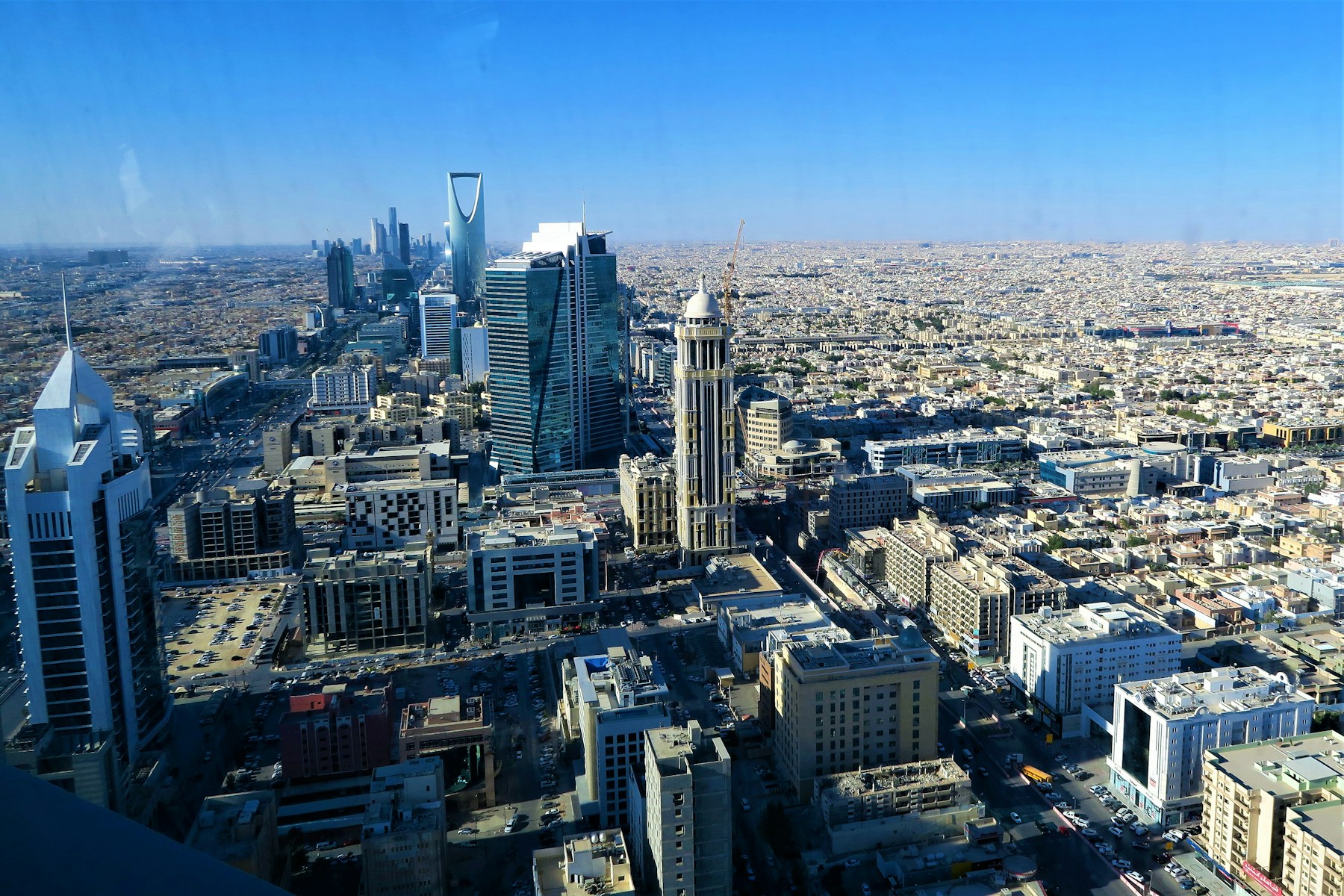
Saudi Arabia's capital, Riyadh, is rapidly establishing itself as one of the Middle East's most intriguing cultural and architectural destinations. Combining UNESCO-listed mud-brick palaces in historic Diriyah with the soaring 99-storey Kingdom Centre Sky Bridge and world-class fine dining, Riyadh welcomes international tourists with legendary Arabian hospitality. Dress Code & Cultural Etiquette for Tourists Dress Modestly: Both men and women should wear loose-fitting clothing that covers shoulders and knees. Female tourists are not required to wear an abaya or head covering, though keeping clothing elegant and respectful in public spaces is customary. Alcohol & Narcotics: Alcohol is completely prohibited across the Kingdom; drug possession carries severe penalties. Cashless Society: Saudi Arabia is virtually 100% cashless. Apple Pay, Mada, Visa, and Mastercard are accepted everywhere from upscale boutiques to street vendors in Souq Al Zal. Prayer Times: While shops and restaurants no longer strictly close during the five daily prayer calls, service may briefly pause for 10–15 minutes. Top Highlights to Include in Your Itinerary Historic Diriyah & At-Turaif (UNESCO): Walk through the restored 18th-century mud-brick citadel that gave birth to the Saudi state, followed by dinner overlooking the illuminated ruins at Bujairi Terrace. Kingdom Centre Sky Bridge: Ride high-speed elevators up 300 meters to the glass Sky Bridge for breathtaking 360-degree night views over the city skyline. Edge of the World (Jebel Fihrayn): Embark on a guided 4x4 desert adventure 90km outside Riyadh to stand atop dramatic 300-meter cliffs overlooking an ancient ocean floor. Frequently Asked Questions (FAQs) How do I apply for a Saudi tourist visa? Citizens of 66+ countries (including USA, UK, EU, GCC, Australia, Japan, and Canada) can obtain an instant multiple-entry Tourist eVisa online at visa.visitsaudi.com or on arrival at King Khalid International Airport (RUH).

Maldives Local Islands Guide: How to Visit Maafushi on a $50 Daily Budget
Travel Guide
Oct 10, 2026 5 min read

Maldives Local Islands Guide: How to Visit Maafushi on a $50 Daily Budget

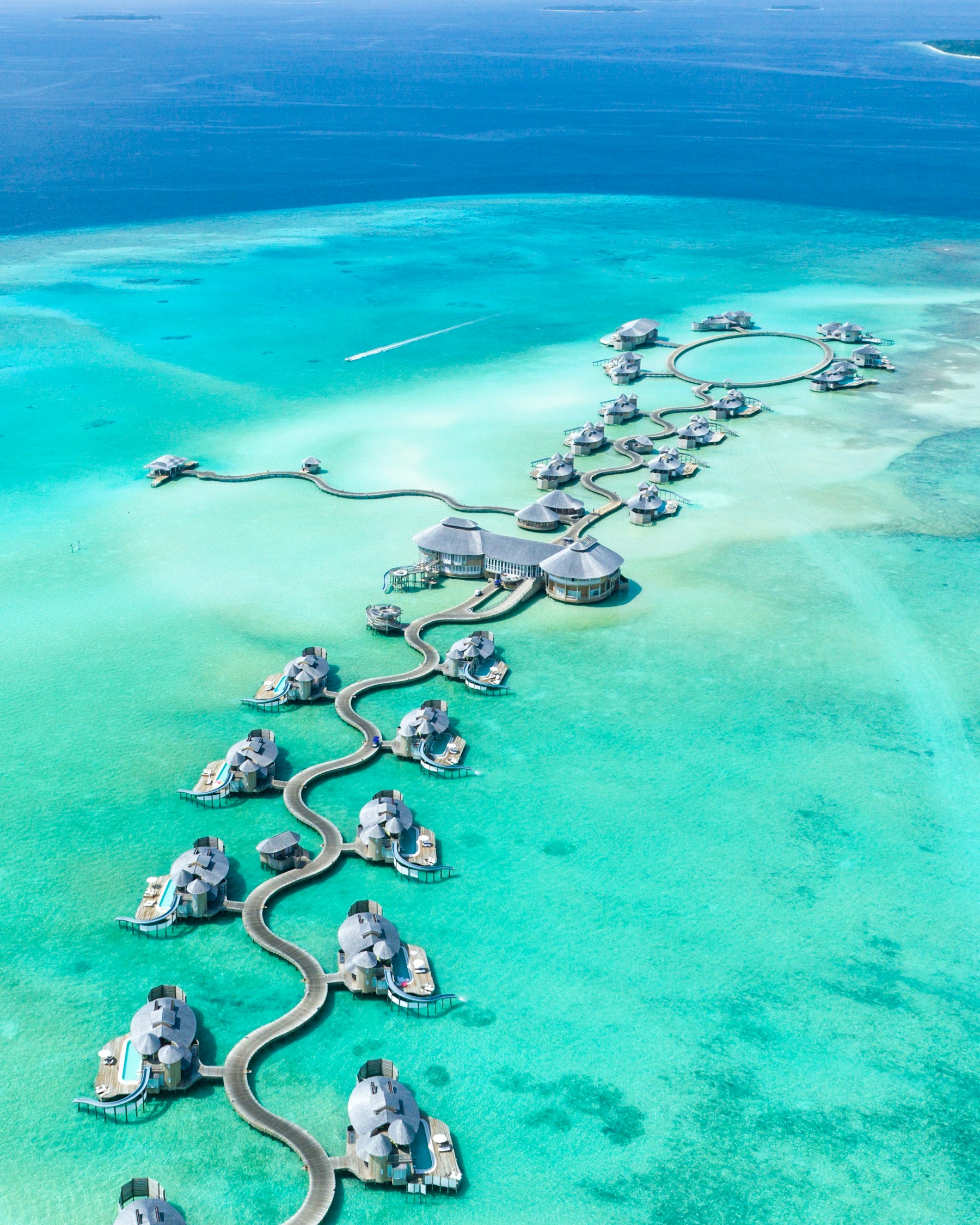
While private luxury overwater villa resorts can cost thousands of dollars per night, the opening of local island guesthouses in the Maldives has made paradise accessible to everyday travelers. On islands like Maafushi in South Male Atoll, you can enjoy turquoise lagoons, nurse shark snorkeling, and sandbank picnics on a budget of just $50 to $70 USD per day. How to Reach Maafushi from Male for Under $2 Public Government MTCC Ferry (Ultra-Budget): Departs from Villingili Ferry Terminal in Male to Maafushi daily (except Fridays) at 3:00 PM. The scenic 90-minute voyage costs just 22 MVR (~$1.50 USD). Shared Speedboat (Fast & Frequent): Departs directly from Velana International Airport (MLE) or Male jetty multiple times daily, reaching Maafushi in 30 minutes for $20–$25 USD per person. Daily $50 Budget Breakdown on Maafushi Expense Category Average Cost Tips & Recommendations Guesthouse Accommodation $25 – $35 USD / person (shared room) Clean AC rooms including hot breakfast, Wi-Fi, and snorkeling gear Food & Dining $12 – $18 USD / day Fresh grilled tuna steaks, fish curries, and kothu roshi at local seaside cafes Excursions (Averaged Daily) $15 – $25 USD / day Half-day snorkeling tours with dolphins, turtles, and sandbank buffet lunch ($25–$35 total) Local Island Etiquette & Bikini Beaches Because the Maldives is an Islamic nation, strict modesty applies on local inhabited islands. Walking around residential streets in swimwear is prohibited. However, Maafushi features a designated, fenced-off Bikini Beach with sun loungers where tourists can freely swim and sunbathe in bikinis and swim shorts. Frequently Asked Questions (FAQs) Is alcohol available on Maafushi? Alcohol is legally prohibited on inhabited local islands. However, licensed "floating bar boats" anchor offshore just outside Maafushi waters, offering free boat transfers for tourists wanting evening drinks.

Zurich Day Trip to Lucerne and Mount Titlis by Train Guide
Travel Guide
Oct 10, 2026 5 min read

Zurich Day Trip to Lucerne and Mount Titlis by Train Guide

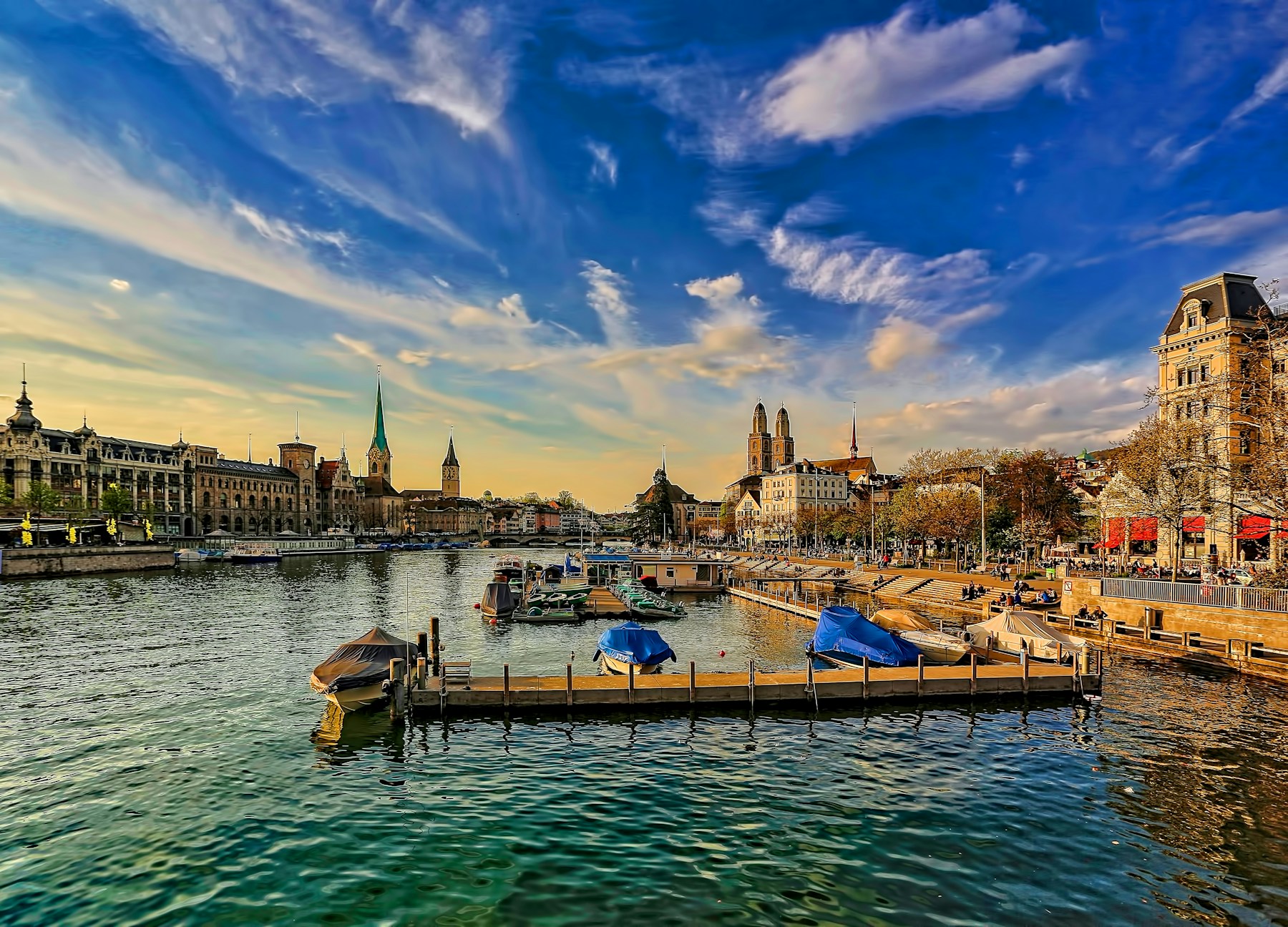
One of the finest day trips in Switzerland combines the medieval charm of Lucerne with the 3,020-meter snow-capped glacier summit of Mount Titlis—all effortlessly accessible by train from Zurich in under an hour. Step-by-Step Train & Cable Car Itinerary Zurich HB to Lucerne (45 minutes): Board the double-decker Swiss SBB InterRegio train from Zurich Hauptbahnhof (departing every 30 minutes). Arrive in Lucerne, walk 5 minutes to cross the 14th-century wooden Chapel Bridge (Kapellbrücke), and visit the poignant Lion Monument. Lucerne to Engelberg (43 minutes): Board the scenic Zentralbahn mountain railway from Lucerne station directly to the alpine village of Engelberg. Engelberg to Mount Titlis (30 minutes): Walk 10 minutes (or take the free shuttle bus) to the Titlis Cableways base station. Ride the 8-passenger Titlis Xpress gondola to Stand station, then transfer to the world's first revolving cable car, the Titlis Rotair, for 360-degree glacier panoramas up to 3,020 meters. Top Attractions at Mount Titlis Summit Titlis Cliff Walk: Europe's highest suspension bridge, hanging 500 meters above a deep abyss at 3,041 meters elevation. Glacier Cave: A 150-meter-long walkway carved directly inside a 5,000-year-old glacier, maintaining a crisp -1.5°C temperature year-round. Ice Flyer Chairlift & Glacier Park: Glides over glacier crevices down to snow-tubing and sledding runs. Frequently Asked Questions (FAQs) Is the trip covered by the Swiss Travel Pass? The train from Zurich to Lucerne and Engelberg is 100% free with the Swiss Travel Pass. The cable car from Engelberg to Mount Titlis summit receives a 50% discount with the pass.

How to Travel from Paro to Thimphu: Taxi Costs and Road Conditions
Travel Guide
Oct 10, 2026 5 min read

How to Travel from Paro to Thimphu: Taxi Costs and Road Conditions

Upon landing at Paro International Airport (PBH)—one of the world's most scenic alpine airports—most visitors travel directly to Bhutan's capital, Thimphu. The 50-kilometer drive along the smooth, paved Paro-Thimphu Highway takes approximately 1 hour and 15 minutes, winding alongside glacial Himalayan rivers and willow-forested valleys. Road Conditions & Route Overview Unlike winding mountain passes in central and eastern Bhutan, the road between Paro and Thimphu is a modern, well-maintained two-lane highway with gentle gradients and minimal hairpin bends. Landslides during the dry months (October–May) are rare. Taxi Costs & Booking Procedures Organized Tour Vehicle: For international tourists paying the Bhutan Sustainable Development Fee (SDF), private chauffeured transport in a modern SUV (Hyundai Tucson / Toyota Prado) or Toyota HiAce van with a licensed guide is arranged in advance by your tour operator. Local Metered / Shared Taxi: If booking independently at Paro Airport or Paro town taxi stand, a private taxi to Thimphu costs approximately 1,200 to 1,800 BTN ($15–$22 USD) per vehicle. Scenic Stops Along the Way Tachogang Lhakhang & Iron Chain Bridge: Built in the 15th century by legendary Tibetan master Thangtong Gyalpo, cross this restored medieval iron-suspension footbridge over the emerald Pa Chhu river. Chuzom Confluence: The scenic meeting point of the Paro Chhu and Wang Chhu rivers, marked by three distinct stupas built in Bhutanese, Tibetan, and Nepalese architectural styles. Frequently Asked Questions (FAQs) Do I need travel permits to drive from Paro to Thimphu? Paro and Thimphu are in western Bhutan and do not require internal route permits for tourists entering on an approved Bhutan Tourist Visa. Internal route permits are only required when traveling eastward past Dochula Pass towards Punakha and Bumthang.