
Travel update

Dubai is open and welcoming visitors as normal. · Book today with free cancellation up to 24 hours before your trip.

Navigation
Dubai Desert Guides
MAGAZINE & GUIDES

Stories, Tips & Travel Guides

Insider recommendations, desert packing guides, and curated UAE itineraries written by local safari guides and destination planners.

Canggu vs Uluwatu for Remote Workers: Cost, Wi-Fi, and Vibe Comparison
Travel Guide
Oct 10, 2026 5 min read

Canggu vs Uluwatu for Remote Workers: Cost, Wi-Fi, and Vibe Comparison

Choosing your Bali remote work base usually comes down to two powerhouse coastal hubs: Canggu and Uluwatu. While Canggu offers Bali's densest network of air-conditioned coworking spaces and specialty cafes, Uluwatu delivers dramatic limestone cliffs, world-class surf breaks, and a more laid-back, community-centric pace of life. If you need hyper-reliable fiber internet, walkability between cafes, and a bustling social networking calendar, Canggu is the practical winner. If you prioritize sunset ocean vistas, quieter roads, surfing before stand-up meetings, and a healthier lifestyle away from gridlock traffic, Uluwatu is your sanctuary. Quick Comparison: Canggu vs Uluwatu at a Glance Factor Canggu (Batu Bolong / Berawa / Pererenan) Uluwatu (Bingin / Padang Padang / Pecatu) Average Monthly Cost $1,400 – $2,200 USD / month $1,600 – $2,500 USD / month Wi-Fi Speeds & Reliability 50–150 Mbps (Biznet/CBN widespread) 30–100 Mbps (Starlink & Biznet expanding) Top Coworking Spaces Dojo Bali, BWork, Zin Cafe, Tropical Nomad The Space Bali, Hatch Uluwatu, Gooseberry Traffic & Mobility Heavy congestion on Shortcut & Batu Bolong Wider, scenic roads; longer riding distances General Vibe Fast-paced, entrepreneurial, beach club nightlife Soulful surf culture, clifftop sunsets, wellness 1. Wi-Fi Reliability and Coworking Infrastructure In Canggu, internet infrastructure is mature. Venues along Pantai Batu Bolong and Jalan Pantai Berawa feature backup generators and dual fiber-optic connections. BWork Bali provides ergonomic chairs, silent call booths, and 24/7 dedicated access for nomad founders handling global client meetings across different time zones. Uluwatu traditionally faced spotty internet, but the recent introduction of Starlink and expanded Biznet fiber has transformed the Bukit Peninsula. Coworking spaces like The Space Bali in Bingin offer reliable air-conditioned hot desks, backup power, and studio spaces overlooking lush greenery. Nomad Pro Tip: Always secure a local Telkomsel or XL e-SIM with at least a 35GB data plan upon landing at Denpasar Airport to use as an instant 4G/5G mobile hotspot fallback. 2. Cost of Living & Villa Rentals Rental rates across Bali have normalized following peak shifts. In Canggu (and neighboring Pererenan), a private room in a modern shared villa with a pool typically rents for $650 to $1,100 USD/month, while private one-bedroom villas range from $1,300 to $2,200 USD/month. In Uluwatu, boutique clifftop properties in Bingin and Padang Padang command a slight premium due to limited land supply. Expect to spend $800 to $1,400 USD/month for quality ensuite rooms and $1,500 to $2,800 USD/month for private pool villas with ocean breeze exposure. 3. Daily Lifestyle, Dining, and Social Scene Canggu is culinary heaven with hundreds of vegan cafes, sourdough bakeries, artisanal matcha bars, and international restaurants within 10 minutes of each other. Sunset drinks at Echo Beach or beach clubs like The Lawn and Finns make after-work networking effortless. Uluwatu centers around ocean rhythms. Remote workers typically surf the peeling reefs of Uluwatu or Padang Padang at dawn, work during midday peak heat, and congregate at Single Fin or Mana Uluwatu for clifftop golden hour. The crowd is slightly older, wellness-focused, and less frantic than Canggu. Frequently Asked Questions (FAQs) Do I need a scooter in Canggu vs Uluwatu? Yes. A 125cc or 155cc scooter (like a Honda Vario or Yamaha NMAX) is essential in both areas. In Canggu, scooters let you bypass car gridlock on narrow shortcuts. In Uluwatu, attractions and beaches are spread out across 5 to 15 km stretches of hilly terrain. What is the best visa for remote workers in Bali? Most digital nomads use the B211A Visit Visa (valid up to 180 days) or the newer E33G Remote Worker / Digital Nomad Visa which allows foreign remote workers to reside in Indonesia while earning income from clients abroad without paying local tax on foreign income.
Suvarnabhumi Airport 12-Hour Layover Guide: Sightseeing and Transit
Travel Guide
Oct 10, 2026 5 min read

Suvarnabhumi Airport 12-Hour Layover Guide: Sightseeing and Transit

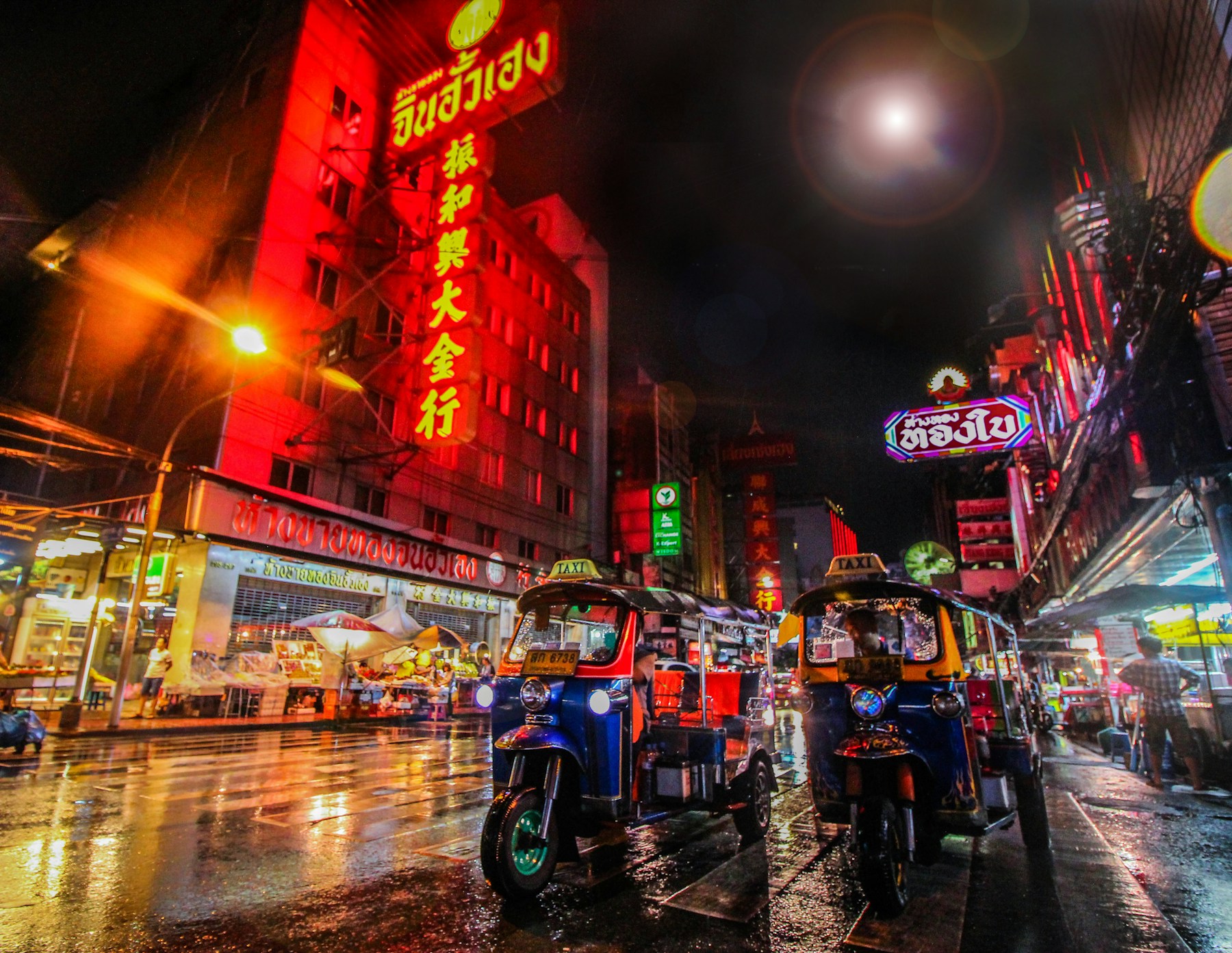
With a 12-hour layover at Bangkok's Suvarnabhumi Airport (BKK), you have ample time to clear immigration, store your bags, ride the high-speed Airport Rail Link into the city center, marvel at iconic riverside temples like Wat Pho and Wat Arun, enjoy authentic street food, and return relaxed for your connecting flight. 12-Hour Layover Step-by-Step Itinerary To pull off an effortless Bangkok layover without missing your flight, timing and transport selection are everything. Follow this optimized 12-hour timeline: Hours 0:00 – 1:30: Land at BKK, clear immigration (93 nationalities enter visa-free for 60 days), withdraw Thai Baht (THB) from an ATM, and store your carry-on luggage at Bellugg Luggage Storage on Basement Level B. Hours 1:30 – 2:15: Head to the Basement Level and board the Airport Rail Link (ARL) to Phaya Thai Station (45 THB, 26 minutes). Hours 2:15 – 3:00: Transfer to the BTS Skytrain at Phaya Thai, ride to Saphan Taksin Station, and walk to Sathorn Pier on the Chao Phraya River. Hours 3:00 – 6:30: Board the Chao Phraya Tourist Boat (30 THB) to visit Wat Pho (Temple of the Reclining Buddha) and take the 5-baht cross-river shuttle ferry to Wat Arun (Temple of Dawn). Hours 6:30 – 8:30: Enjoy lunch and refreshing iced Thai milk tea along the riverside promenade at Tha Tien or take an air-conditioned Grab ride to Chinatown (Yaowarat) for Michelin-rated street food. Hours 8:30 – 9:30: Ride the MRT Blue Line from Wat Mangkon/Sanam Chai back to Phetchaburi Station, walk across the skybridge to ARL Makkasan Station, and board the train back to BKK Airport. Hours 9:30 – 12:00: Retrieve luggage, clear airport security and passport control, and relax in an air-conditioned departure lounge. Crucial Layover Rule: Never take road taxis or buses back to Suvarnabhumi during weekday evening rush hour (4:30 PM – 7:30 PM). Always take the dedicated Airport Rail Link train to guarantee reaching the terminal in 26 minutes. Luggage Storage & Shower Facilities at BKK Do not drag your heavy bags across Bangkok's humid streets. Multiple reliable luggage storage services operate 24/7 inside Suvarnabhumi Airport: Bellugg & Lock Box (Basement Level B, near Airport Rail Link): Rates start around 100–150 THB ($3–$4 USD) per bag for 24 hours. Airport Showers: If you need to freshen up before heading into the city or before your long-haul night flight, pay-per-use showers are available at the Miracle Lounge (Concourse D/G) or the transit hotel on Level 4. Frequently Asked Questions (FAQs) Do I need a transit visa to leave Suvarnabhumi Airport? Passports from 93 countries (including the UK, USA, EU, Australia, Canada, UAE, Saudi Arabia, and Singapore) receive 60-day visa-exempt entry upon arrival. Check that your passport has at least 6 months of remaining validity. Is 12 hours enough for a Bangkok layover? Yes. 12 hours gives you 6 to 7 solid hours of stress-free exploration in central Bangkok, with 5 hours allocated for airport immigration, luggage storage, return rail transit, and airline security checks.

How to Take the Train from Singapore to Johor Bahru for a Day Trip
Travel Guide
Oct 10, 2026 5 min read

How to Take the Train from Singapore to Johor Bahru for a Day Trip

Taking a day trip from Singapore to Johor Bahru (JB), Malaysia is one of the most popular regional getaways for affordable dining, cafe hopping, foot reflexology, and grocery shopping. While buses and cars frequently get trapped in 2 to 4-hour Causeway traffic jams, the KTM Shuttle Tebrau train crosses the border in exactly 5 minutes. Step-by-Step Guide to Booking & Riding the KTM Shuttle The Shuttle Tebrau connects Woodlands Train Checkpoint (Singapore) directly to JB Sentral (Malaysia). Because seats sell out weeks in advance, knowing the booking protocol is essential. 1. Book Tickets in Advance on the Official KTM Portal Tickets open 30 days in advance on the official KTM KTMB website or mobile app. Fares are fixed: SGD $5.00 from Woodlands to JB Sentral, and MYR 5.00 (~$1.10 USD) for the return trip from JB Sentral to Woodlands. Passport numbers must match your passenger profile exactly. 2. Reaching Woodlands Train Checkpoint (WTCP) Take the MRT North-South Line (Red Line) or Thomson-East Coast Line (Brown Line) to Woodlands MRT Station. From the bus interchange below, take bus 911, 912, or 903 for 3 stops to Woodlands Train Checkpoint. Arrive at least 30–45 minutes prior to scheduled departure. 3. Clearing Co-Located Immigration The beauty of the train service is streamlined border clearance. You clear Singapore exit passport control and Malaysian entry immigration in the exact same facility before stepping onto the train platform. Important Entry Note: All foreign travelers entering Malaysia must submit the digital Malaysia Digital Arrival Card (MDAC) online within 3 days prior to arrival. Top Things to Do Near JB Sentral Station Attraction / Area Walking Distance from JB Sentral Highlights Jalan Tan Hiok Nee Heritage Street 8-minute walk Hiap Joo Woodfired Banana Cake, heritage kopitiams, artisan coffee shops City Square & Komtar JBCC Malls Direct sheltered bridge link (2 mins) Retail shopping, cinema, massage & wellness spas, Din Tai Fung KSL City Mall 10-minute Grab ride (MYR 8–12) Affordable salon hair treatments, manicure spas, Monday night street food market Frequently Asked Questions (FAQs) Can I take the train without an online booking? Only if unsold tickets remain at the physical ticket counter, which is very rare during weekends and public holidays. Booking online 2 to 4 weeks ahead is strongly advised. What if the train tickets are sold out? If train tickets are unavailable, you can take public cross-border buses (SBS 170X from Kranji MRT or Causeway Link CW1 from Kranji) through the regular bus customs lanes, though expect heavier wait times during peak hours.

Kuala Lumpur International Airport Layover Guide: KLIA vs KLIA2 Transit
Travel Guide
Oct 10, 2026 5 min read

Kuala Lumpur International Airport Layover Guide: KLIA vs KLIA2 Transit

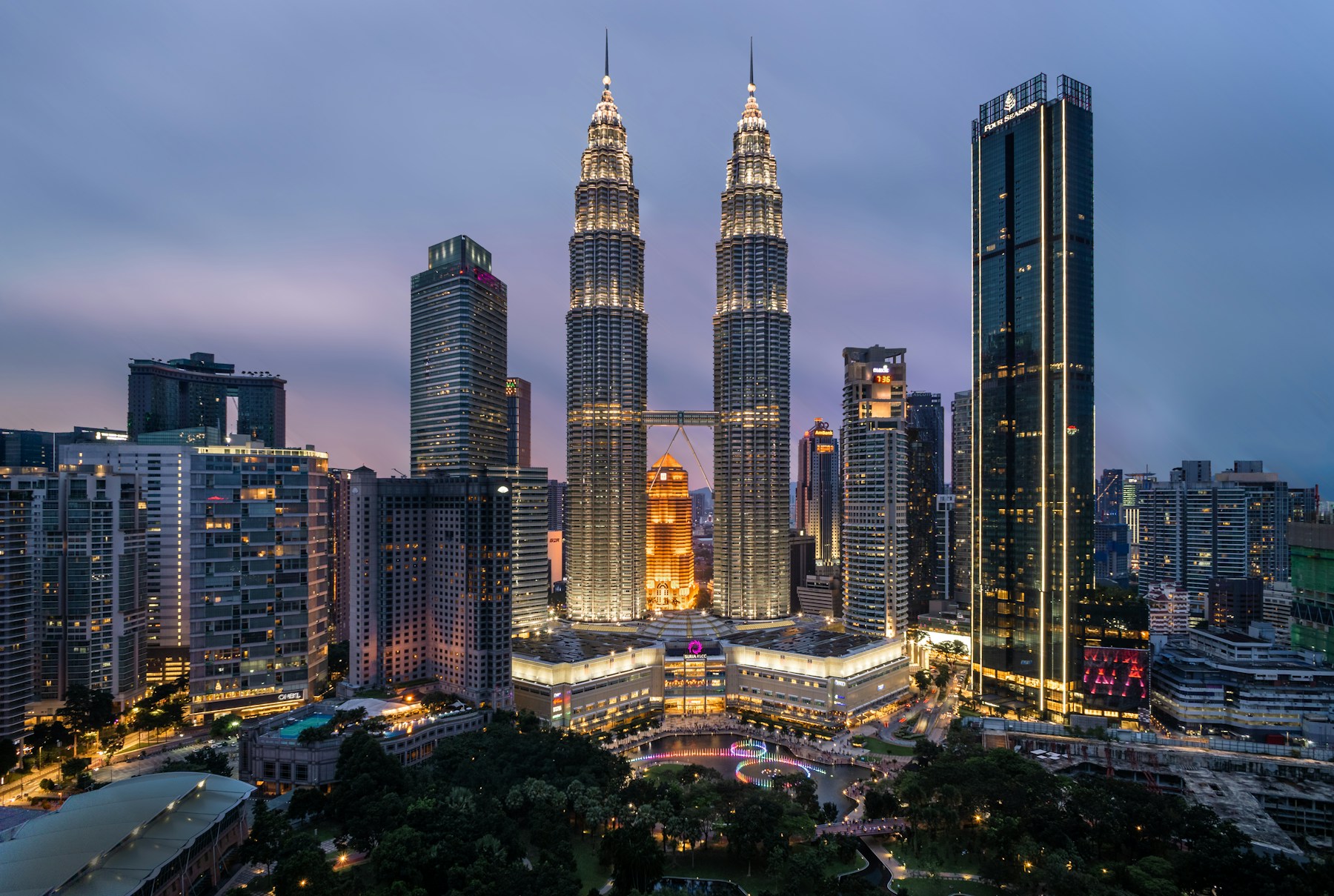
Navigating a layover at Kuala Lumpur International Airport (KUL) can be seamless once you understand the difference between KLIA Terminal 1 (the main international terminal for full-service airlines like Malaysia Airlines, Emirates, and Qatar Airways) and KLIA Terminal 2 (formerly KLIA2) (the dedicated hub for low-cost carriers like AirAsia and Scoot). Transferring Between KLIA Terminal 1 and Terminal 2 KLIA T1 and T2 are separate buildings located 2 kilometers apart. They are not connected airside; to transfer between them, you must clear immigration, collect checked luggage (unless through-checked on a single ticket), and take landside transport: KLIA Ekspres / KLIA Transit Train: The fastest and most convenient method. The train takes just 3 minutes between T1 and T2 and costs MYR 2.00 (~$0.45 USD) per ticket. Trains run every 15 to 20 minutes. Free Airport Shuttle Bus: Operates 24/7 every 10–15 minutes between T1 (Level 1, Door 4) and T2 (Level 1, Bay A10). Journey takes approximately 10 minutes. Transit Time Rule: Allow at least 3 hours for self-transfer connections between T1 and T2 involving baggage collection and re-check-in. Layover Itinerary: Heading to Central Kuala Lumpur If your layover is 7 hours or longer, you have sufficient time to visit downtown Kuala Lumpur. Take the KLIA Ekspres train directly from the terminal to KL Sentral station in just 28 minutes (MYR 55 one-way / MYR 100 return). From KL Sentral, take the Kelana Jaya LRT line for 5 stops to KLCC Station to view and photograph the 88-storey Petronas Twin Towers and stroll through KLCC Park. Alternatively, take an 8-minute Grab ride to Chinatown (Petaling Street) or Batu Caves for culture and street food before catching your return train to KUL. Rest, Sleeping & Shower Options Inside the Terminals Option Location Pricing & Features Sama-Sama Express Hotel Airside T1 (Satellite Bldg) & Airside T2 Bookable in 6-hour blocks; ensuite shower, clean bed, no immigration needed CapsuleTransit Landside T2 (Level 1) & Airside T2 Pod-style sleeping capsules with lockers, hot showers, and USB charging Plaza Premium Lounge T1 Satellite & T2 Gateway Buffet dining, private shower rooms, high-speed Wi-Fi (accessible via Priority Pass) Frequently Asked Questions (FAQs) Do I need to go through immigration to change planes at KUL? If both flights are on the same ticket with through-checked baggage and in the same terminal (e.g. T1 to T1), you remain airside and do not pass through immigration. If transferring between T1 and T2 or on separate tickets, you must clear Malaysian immigration. Where can I store my luggage at KLIA? Luggage storage facilities operate 24 hours on Level 3 (Arrivals) in Terminal 1 and Level 2 in Terminal 2 Gateway Mall, with rates from MYR 20–50 per day depending on baggage size.

Hanoi Old Quarter Street Food Walking Route and Map for Beginners
Travel Guide
Oct 10, 2026 5 min read

Hanoi Old Quarter Street Food Walking Route and Map for Beginners

Hanoi is widely celebrated as the street food capital of Southeast Asia. Walking the narrow alleys of the Old Quarter (Hoan Kiem), you will discover third-generation family stalls serving steaming bowls of fragrant noodle broth, crispy spring rolls, and velvety egg coffee on tiny plastic sidewalk stools. The Ultimate 6-Stop Street Food Walking Route This 2.5-kilometer self-guided walking food tour starts near Hoan Kiem Lake and loops through the most atmospheric food streets in the Old Quarter. Plan around 2.5 to 3 hours at a relaxed pace. Stop 1: Pho Bo (Beef Noodle Soup) at Pho Gia Truyen Bat Dan Address: 49 Bat Dan Street Begin your culinary journey with Hanoi's definitive beef noodle soup. Simmered for over 12 hours with beef marrow bones, charred ginger, star anise, and cinnamon, the clear broth is ladled over silky fresh rice noodles and tender slices of brisket (Pho Nam) or rare flank (Pho Tai). Pair with crispy fried dough sticks (Quay) for dipping. Stop 2: Bun Cha (Grilled Pork Patties with Rice Vermicelli) at Bun Cha Dac Kim Address: 1 Hang Manh Street The dish made famous worldwide by Anthony Bourdain and Barack Obama. Marinated pork patties and pork belly strips are charcoal-grilled to caramelized perfection, served submerged in a warm dipping bowl of nuoc cham fish sauce, green papaya, garlic, and herbs alongside rice noodles and fried crab spring rolls (Nem Cua Be). Stop 3: Banh Mi at Banh Mi 25 Address: 25 Hang Ca Street A masterclass in French-Vietnamese fusion. Warm, airy baguettes with shattering crusts are stuffed with savory pate, grilled lemongrass pork or chicken, pickled daikon and carrot, fresh cucumber, coriander, and homemade chili sauce. Stop 4: Banh Cuon (Steamed Rice Rolls) at Banh Cuon Gia An Address: 25 Hang Buom Street Delicate, paper-thin steamed fermented rice sheets filled with seasoned minced pork and wood ear mushrooms, topped with crispy fried shallots and served with warm dipping broth and Cha Lua pork sausage. Stop 5: Che (Sweet Traditional Dessert Soup) at Che Bon Mua Address: 4 Hang Can Street A refreshing sweet treat popular with locals since 1949. Choose from black grass jelly, lotus seeds, coconut cream, and sweet red beans over crushed ice. Stop 6: Original Egg Coffee (Ca Phe Trung) at Cafe Giang Address: 39 Nguyen Huu Huan Street Conclude your walking tour where it all began in 1946. Invented by Mr. Nguyen Van Giang when milk was scarce, rich Robusta espresso is topped with a thick, frothy custard foam whipped from fresh egg yolks, sweetened condensed milk, and vanilla sugar. Street Food Etiquette & Safety Tips Follow the Local Crowds: Stalls packed with local Vietnamese families guarantee high ingredient turnover and freshly cooked dishes. Payment: Almost all Old Quarter street vendors operate exclusively in cash (Vietnamese Dong - VND). Keep small bills (20,000, 50,000, 100,000 VND) ready. Water & Ice: Reputable street food stalls in Hanoi use factory-made cylindrical tube ice, which is purified and completely safe to consume. Frequently Asked Questions (FAQs) How much does street food cost in Hanoi Old Quarter? A full meal of Pho, Bun Cha, or Banh Mi typically costs between 35,000 to 70,000 VND ($1.50 to $3.00 USD). A cup of Egg Coffee costs around 35,000 VND ($1.40 USD). What is the best time of day for street food in Hanoi? Morning from 7:00 AM to 9:30 AM is ideal for breakfast noodle soups. Evening from 6:00 PM to 9:30 PM is peak dining time when atmospheric sidewalk tables spill out onto the pavement.

Phuket vs Koh Samui on a $100 a Day Budget: Which Is Better Value
Travel Guide
Oct 10, 2026 5 min read

Phuket vs Koh Samui on a $100 a Day Budget: Which Is Better Value

Traveling Thailand's most iconic islands on a comfortable $100 USD (approx. 3,500 THB) daily budget is easily achievable for solo travelers and couples. However, Phuket and Koh Samui allocate that budget differently: Phuket offers cheaper international flight connections and a wider variety of budget hotels, whereas Koh Samui delivers cheaper beachfront dining and a more compact island atmosphere. Daily $100 Budget Breakdown: Phuket vs Koh Samui Expense Category Phuket (Kata / Karon / Old Town) Koh Samui (Bophut / Lamai / Maenam) 3-Star Hotel / Boutique Resort $35 – $45 USD / night $40 – $50 USD / night Food & Drinks (3 Meals + Snacks) $20 – $25 USD / day $18 – $22 USD / day Transport (Scooter + Fuel) $8 – $10 USD / day $7 – $9 USD / day Activities / Massages / Entry Fees $15 – $20 USD / day $15 – $20 USD / day Daily Total $78 – $100 USD $80 – $101 USD 1. Hotel Value for Money Because Phuket has hundreds of competing resorts, you can easily find clean, modern 3-star hotels with rooftop swimming pools in Kata, Karon, or Rawai for under $40 USD/night. On Koh Samui, beachfront bungalows and garden villas in Maenam and Lamai offer incredible tropical charm for $40–$50 USD/night. 2. Day Trip & Excursion Costs In Phuket, high-speed catamaran excursions to Phi Phi Islands or Phang Nga Bay (James Bond Island) range between $45 to $70 USD per person including hotel transfers, national park fees, and buffet lunch. In Koh Samui, full-day boat trips to Ang Thong National Marine Park or Koh Tao snorkeling cost around $50 to $75 USD. Money-Saving Insight: Direct flights into Koh Samui (USM) are privately operated and carry high airfares. Budget travelers can save over $100 USD by flying into Surat Thani (URT) on the mainland and taking a combo bus-ferry ticket to Samui. The Verdict: Which Island Offers Better Value? Choose Phuket if you want cheaper flight options, world-class nightlife, historic cultural walking tours in Old Phuket Town, and budget-friendly upscale shopping. Choose Koh Samui if you want a calmer, more scenic tropical island vibe where beachside dining and relaxing sunset cocktail bars are within easier reach. Frequently Asked Questions (FAQs) Is taxi travel cheap on Phuket and Samui? No. Taxis on both islands are notoriously expensive compared to Bangkok. Always download and use ride-hailing apps like Grab, Bolt, and InDrive to lock in fair, fixed pricing.

How to Travel from Koh Samui to Koh Phangan and Koh Tao by Ferry
Travel Guide
Oct 10, 2026 5 min read

How to Travel from Koh Samui to Koh Phangan and Koh Tao by Ferry

Island hopping between Koh Samui, Koh Phangan (famed for its Full Moon Party and tranquil yoga bays), and Koh Tao (the scuba diving capital of Southeast Asia) is straightforward with frequent high-speed catamarans and public passenger ferries operating daily across the Gulf of Thailand. Ferry Routes, Duration & Ticket Prices Route Operator Travel Time Approximate Cost (THB) Samui to Koh Phangan (Thong Sala) Lomprayah / Seatran 20 – 30 minutes 350 – 450 THB ($10–$13 USD) Samui to Koh Phangan (Haad Rin) Haad Rin Queen 50 minutes 300 THB ($9 USD) Samui to Koh Tao (Mae Haad Pier) Lomprayah High Speed 1 hour 30 mins – 2 hours 600 – 750 THB ($17–$21 USD) Key Ferry Piers on Koh Samui Bangrak Pier & Petcherat Pier (Near Airport / Chaweng): The most convenient departure point for travelers staying in Chaweng, Bophut, or Choeng Mon, serviced by Lomprayah and Seatran Discovery. Maenam Pier (Pralan Pier): Located in the north of Samui, offering fast Lomprayah catamaran departures to Phangan and Koh Tao. Nathon Pier (West Coast): The island's main commercial port for large car ferries (Songserm, Seatran) connecting to the mainland (Donsak Pier). Full Moon Party Tip: If traveling to Koh Phangan for the monthly Full Moon Party at Haad Rin, book your return speedboat ticket in advance or take the scheduled Haad Rin Queen ferry from Sunset Pier (Bangrak) directly onto Haad Rin beach. Frequently Asked Questions (FAQs) Do ferries operate in bad weather? During the monsoon season (October–November), strong swells may cause delays or cancellations. High-speed catamarans like Lomprayah handle open ocean crossings comfortably, but carrying motion sickness medication (Dimenhydrinate, available at any 7-Eleven) is recommended. Can I bring large luggage on the ferry? Yes. Ferry tickets include standard luggage handling. Staff will load and tag your suitcases on the lower deck upon boarding.

How to Travel from Cebu City to Moalboal and Oslob by Bus
Travel Guide
Oct 10, 2026 5 min read

How to Travel from Cebu City to Moalboal and Oslob by Bus

South Cebu is home to world-renowned adventure spots: the magical sardine run and sea turtles in Moalboal, cliff-jumping at Kawasan Falls in Badian, and whale shark encounters in Oslob. While private vans cost $60–$90 USD, public Ceres Liner buses from Cebu City cost under $4 to $5 USD and depart every 30 minutes around the clock. Departure Hub: Cebu South Bus Terminal (CSBT) All buses heading to Moalboal, Badian, and Oslob depart from the modern, air-conditioned Cebu South Bus Terminal (CSBT) located near Elizabeth Mall in downtown Cebu City. You do not need to buy tickets in advance—simply arrive, pay the minimal terminal fee (around 10 PHP), and board your desired bus. Route 1: Cebu City to Moalboal Bus Line: Ceres Liner (Yellow Bus) marked "Bato via Barili". Travel Duration: 3.0 to 3.5 hours (depending on city traffic). Fare: ~210 PHP ($3.80 USD) for air-conditioned buses. Drop-off Point: Moalboal Town Hall / 7-Eleven. From there, take a 10-minute tricycle (100–150 PHP) directly to Panagsama Beach where dive shops and snorkeling reefs are located. Route 2: Cebu City to Oslob (Whale Sharks) Bus Line: Ceres Liner marked "Bato via Oslob". Travel Duration: 3.5 to 4.0 hours. Fare: ~230 PHP ($4.10 USD) for air-conditioned buses. Drop-off Point: Ask the bus conductor to drop you at Barangay Tan-awan, Oslob (directly in front of the Whale Shark Briefing Center). Crucial Oslob Early Morning Tip: Whale shark snorkeling in Oslob operates exclusively from 6:00 AM to 11:30 AM. To beat long tour-group lines, catch the 3:00 AM or 3:30 AM Ceres bus from Cebu South Bus Terminal to arrive right at dawn. Connecting Moalboal to Oslob You do not need to return to Cebu City to see both destinations. From Moalboal, take a southbound Ceres bus to Bato Terminal (1 hour, ~70 PHP), and transfer onto a northbound Ceres bus to Oslob (45 mins, ~50 PHP). Frequently Asked Questions (FAQs) Do Ceres buses have air conditioning and Wi-Fi? Yes. Look for the yellow Ceres buses marked "Aircon". They have cushioned seats, overhead luggage racks, and onboard air conditioning (bring a light jacket as the AC can be cold). Can I bring large roller suitcases on the bus? Yes. Large bags are safely stored in the underneath luggage compartments free of charge.

Manila Travel Guide for First-Timers: Best Areas, Transit, and Safety Tips
Travel Guide
Oct 10, 2026 5 min read

Manila Travel Guide for First-Timers: Best Areas, Transit, and Safety Tips

Metro Manila is a dynamic archipelago gateway where 16th-century Spanish stone fortresses and bustling street food markets stand alongside ultra-modern skyscrapers, luxury malls, and world-class craft cocktail speakeasies. For first-time visitors, choosing the right home base and understanding city logistics ensures a comfortable and enjoyable stay. Best Neighborhoods to Stay in Manila District Who It's Best For Highlights & Safety Bonifacio Global City (BGC) Digital nomads, luxury travelers, families 100% walkable, pedestrianized High Street, world-class dining, cleanest and safest area in the city Makati (Greenbelt & Poblacion) Shoppers, foodies, nightlife lovers Greenbelt park malls, luxury 5-star hotels, trendy speakeasy bars and artisan dining in Poblacion Intramuros & Manila Bay History enthusiasts & quick transit stays San Agustin Church (UNESCO), Fort Santiago, National Museums, scenic bay sunsets How to Navigate Manila Transportation Grab App (Essential): Grab Car is the gold standard for tourists in Manila. It provides fixed upfront pricing, air conditioning, and eliminates language barriers or meter tampering. LRT and MRT Trains: The elevated train lines (LRT-1 and MRT-3) are cheap (15–30 PHP) and bypass road traffic, but can be crowded during rush hours. Airport Transit: When arriving at Ninoy Aquino International Airport (NAIA), use the official Grab booking booths or airport metered coupon taxis rather than unmetered street touts. Top Safety Advice: Manila locals are among the warmest and friendliest in Asia. Practice standard urban common sense: keep valuables secure, avoid wearing flashy jewelry in crowded street markets, and stick to well-lit main streets at night. Top 3 Must-Do Experiences Intramuros Bamboo Bike Tour: Ride eco-friendly bamboo bicycles along the cobblestones and stone battlements of Fort Santiago and San Agustin Church. Binondo Street Food Crawl: Explore the world's oldest Chinatown (founded in 1594) for legendary Xiao Long Bao, lumpia spring rolls, and pork dumplings. Cocktails in Poblacion: Unwind at hidden rooftop lounges and speakeasies tucked inside Makati's bohemian arts and dining enclave. Frequently Asked Questions (FAQs) Is English widely spoken in Manila? Yes. English is an official language in the Philippines and is spoken fluently by virtually all taxi drivers, hotel staff, servers, and locals throughout the country. How many days do I need in Manila? 2 to 3 days is ideal to explore historical and modern attractions before connecting to domestic island flights to Boracay, Palawan (El Nido/Coron), or Siargao.