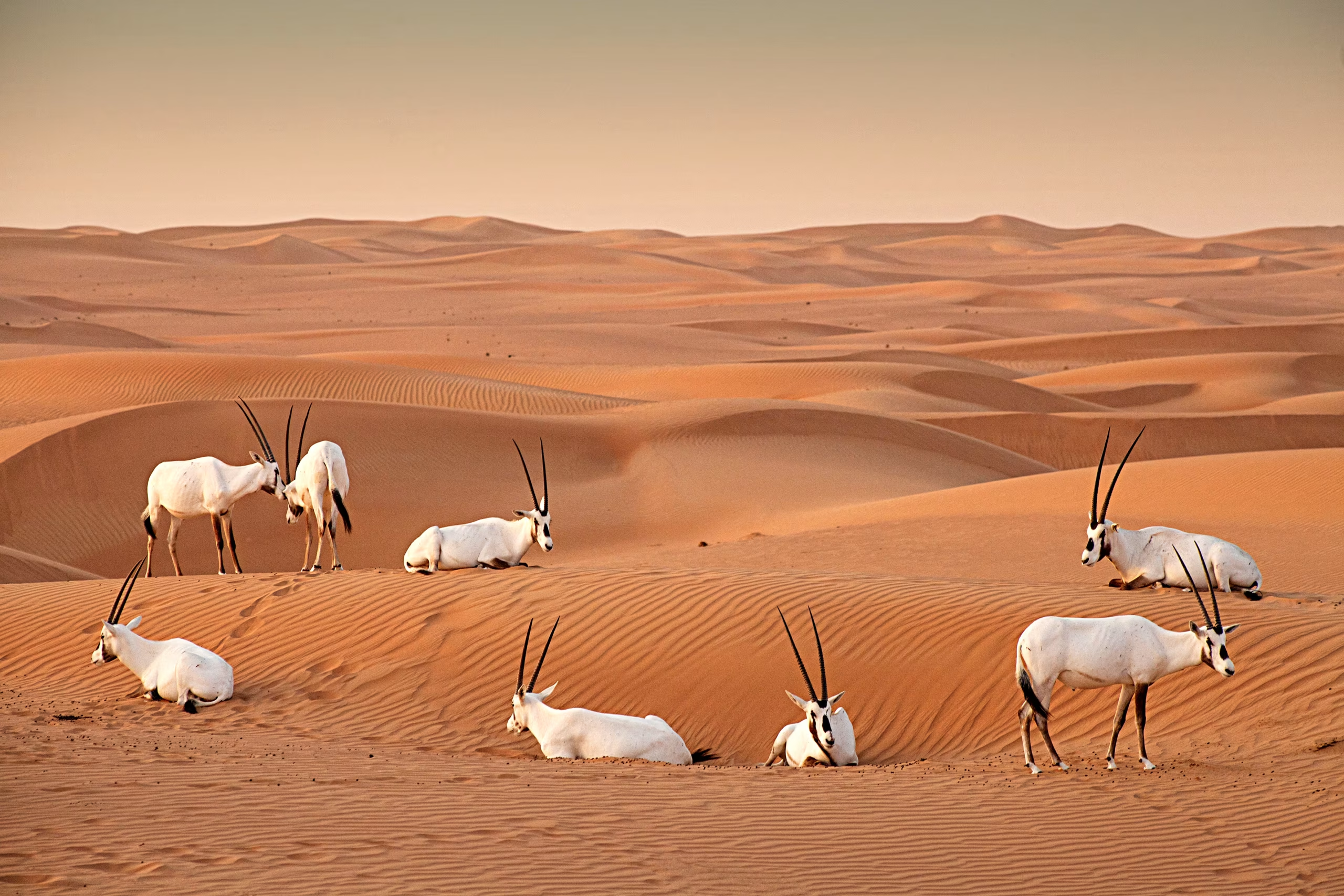
The Arabian desert is frequently misperceived as an empty wasteland of sand. In truth, it is a delicate, hyper-fragile ecosystem supporting ancient flora, endangered endemic fauna, and fragile subterranean water tables. As annual tourist numbers swell past 17 million visitors, practicing sustainable desert tourism is vital to protect this biome.
Direct Answer & Eco-Operator Checklist
To guarantee an eco-friendly desert safari, choose operators permitted within protected conservation zones such as the Dubai Desert Conservation Reserve (DDCR) or Al Marmoom Reserve. Verify that the operator utilizes solar-powered camps, zero single-use plastics, strictly managed off-road tracks that avoid vegetative ghaf tree groves, and re-invests a portion of ticket proceeds directly into local wildlife rehabilitation.
Our premier eco-conscious excursion, the Al Marmoom conservation reserve safari, operates in total harmony with regional conservation mandates. Discover our complete portfolio of responsible desert safari excursions across the Emirates.
The Ecological Footprint of Unregulated Dune Bashing
High-speed off-road motorsport causes measurable ecological strain if conducted carelessly. Heavy vehicles churning vegetation destroy shallow root structures of desert shrubs like the Arfaj and destabilize ancient sand crusts that take decades to form.
Furthermore, engine noise disturbance can alter the foraging behaviors of nocturnal desert mammals. Learn how indigenous animals adapt in our detailed desert wildlife identification handbook.
Conventional Operators vs. Certified Eco-Operators
| Operational Metric | Conventional Mass Operator | Certified Eco-Friendly Operator |
|---|---|---|
| Location | Unregulated public dunes / high-density strips | Protected Conservation Reserve (DDCR / Al Marmoom) |
| Dune Impact | Unrestricted drifting over desert flora | Designated sand corridors; strict wildlife setbacks |
| Camp Energy Source | Loud diesel generators running all night | 100% Off-grid solar photovoltaic batteries |
| Waste Management | Disposable plastic bottles & styrofoam plates | Biodegradable tableware, ceramic service, filtered water |
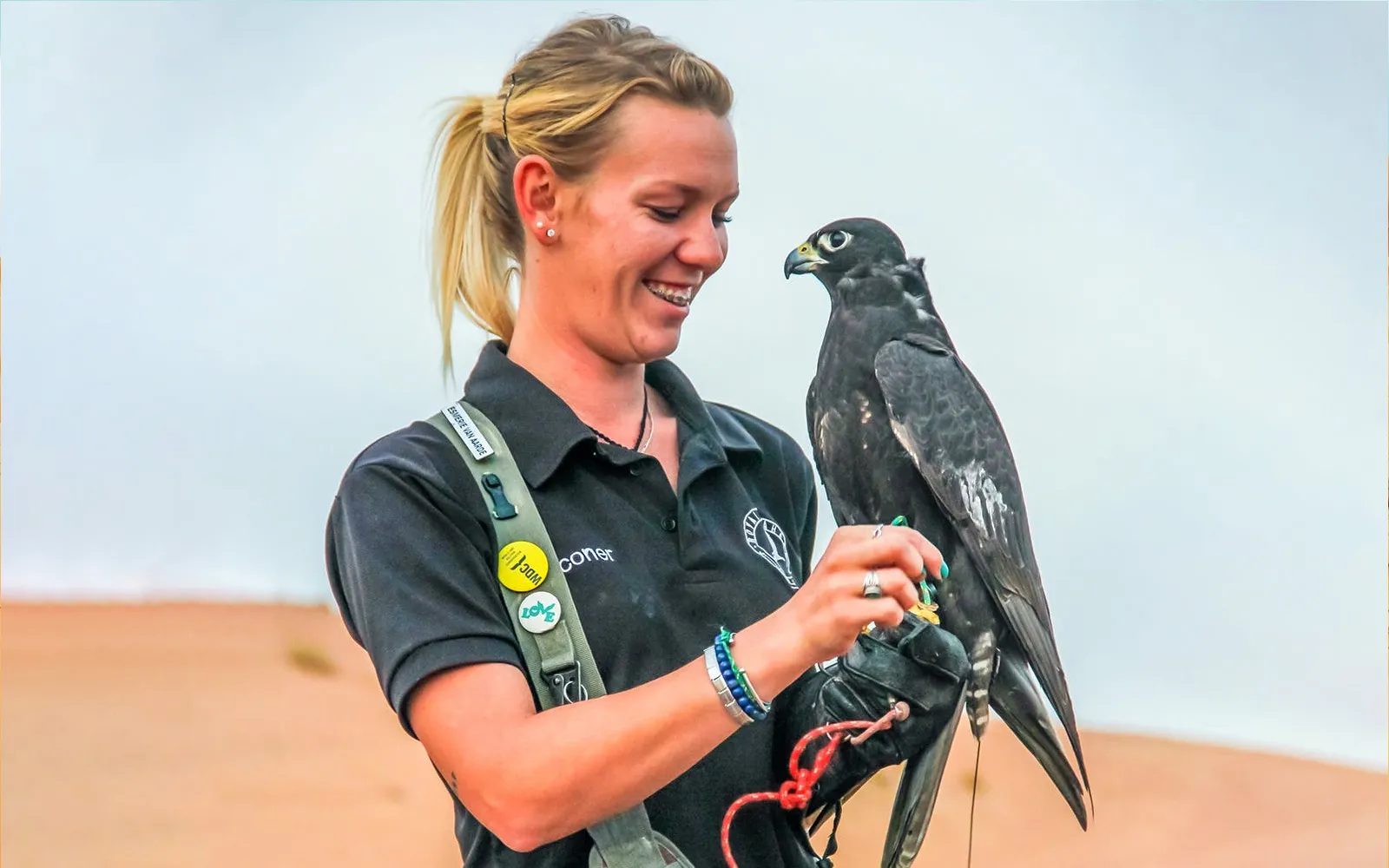
| Wildlife Interaction | Unsupervised animal photo opportunities | Ethical observation with trained naturalists |
| Conservation Fee | None | Direct per-passenger conservation levy to preserve reserves |
Five Questions to Ask Before Booking an Eco-Safari
Before submitting payment, ask the tour operator these critical accountability questions:
- 1. "Is your camp powered by solar energy or diesel generators?"
- 2. "Do you provide reusable glassware or single-use plastic water bottles?"
- 3. "Are your safari guides certified naturalists licensed by conservation authorities?"
- 4. "Does your tour stick to established tracks within a protected reserve?"
- 5. "What percentage of my ticket supports regional wildlife habitats?"
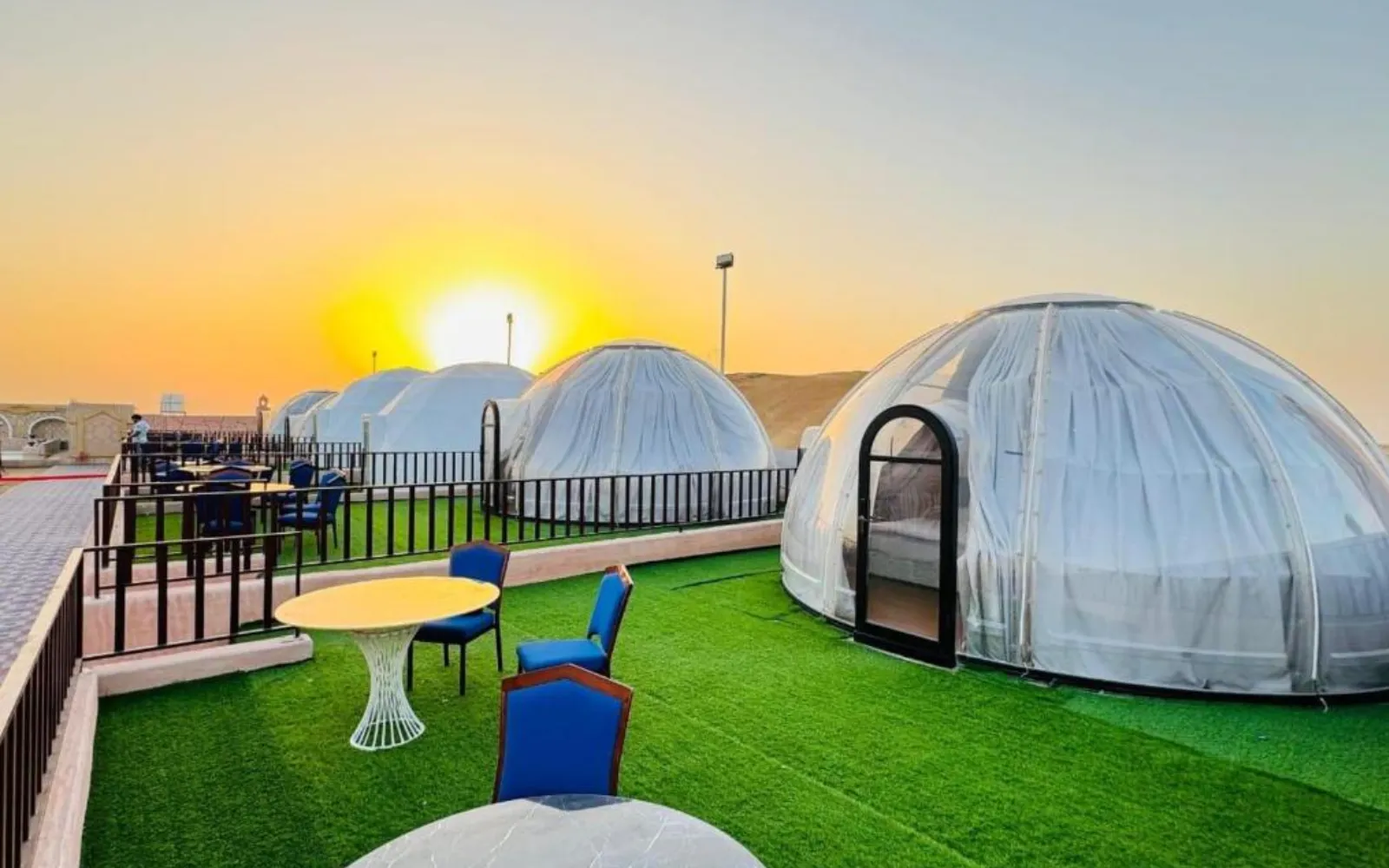
Dome Overnight Desert Safari
Protecting the Ghaf Tree: The UAE's National Treasure
The evergreen Ghaf Tree (Prosopis cineraria) is the national tree of the United Arab Emirates, capable of sinking taproots over 30 meters deep into underground aquifers. Responsible operators mandate a minimum 15-meter vehicle buffer around all Ghaf stands to preserve root systems.
Pairing conservation values with heritage learning creates the most rewarding desert memories. Read our feature on authentic Emirati Bedouin heritage tours to see how nomadic traditions practiced zero-waste long before the modern era.
Your Role as a Responsible Desert Visitor
Always practice "Leave No Trace" principles. Never discard plastic bottles, cigarette butts, or snack packaging into the sand, as desert winds scatter debris that animals ingest with fatal consequences. Together, we can keep the Arabian desert wild and pristine.