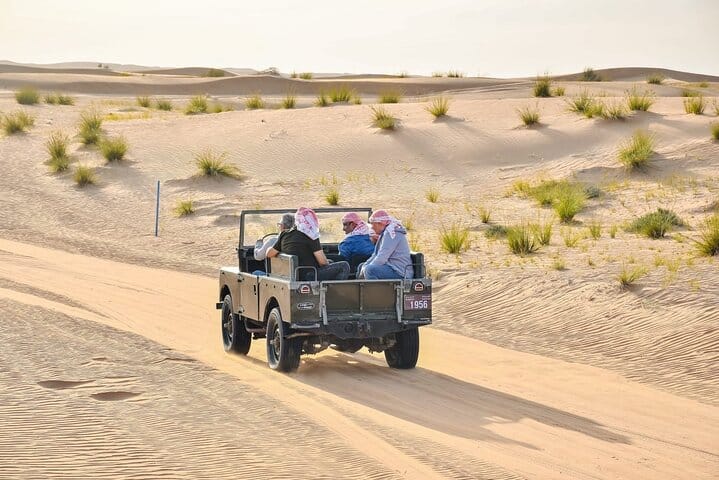
Before Dubai transformed into a glittering metropolis of futuristic skyscrapers, the Arabian desert was home to the Bedu (Bedouins)—a resourceful nomadic civilization that mastered survival across one of the planet's harshest environments. While modern safaris emphasize horsepower and spectacle, discovering genuine Bedouin customs offers profound cultural insight.
Key Takeaways & Cultural Significance
Traditional desert safaris trace historic Bedouin lifeways: Falconry was an essential winter hunting technique for capturing houbara bustards; camels provided milk, transport, and wool; gahwa (cardamom-infused coffee) and fresh dates established unyielding desert hospitality protocols. Choosing a heritage-focused safari allows you to experience authentic storytelling, star navigation, and ancestral culinary traditions far removed from commercial tourist shows.
Travelers interested in living history can book our specialized traditional falconry safari experience or explore our eco-conscious Al Marmoom desert safari set within Dubai's largest unfenced conservation reserve. Compare all heritage packages in our Dubai desert safari collections.
The Art & Significance of Emirati Falconry
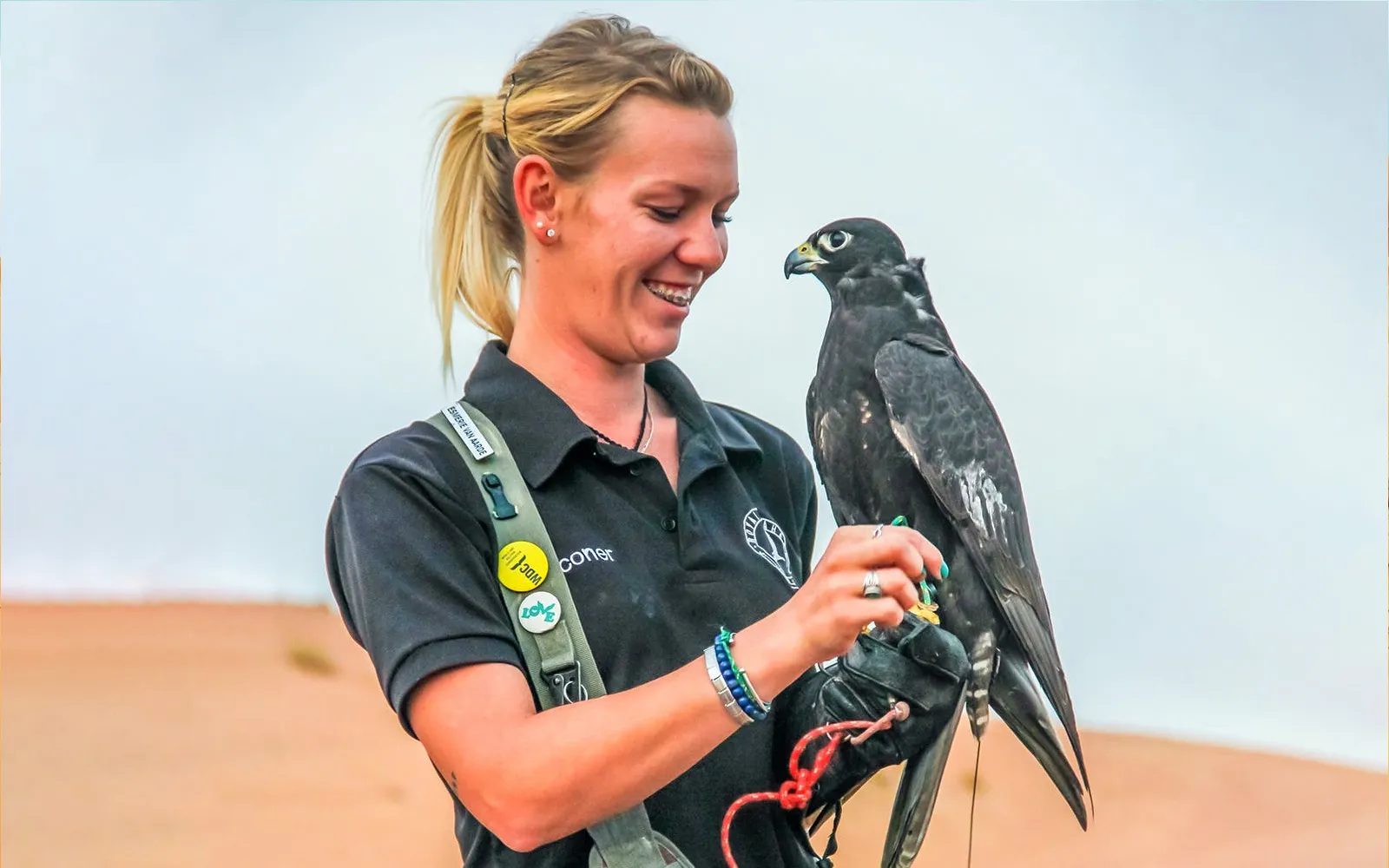
In the harsh desert winter, the Bedouin partnered with the Peregrine Falcon (Shaheen) and Saker Falcon to supplement their modest diets. Using intricate leather hoods (burqa) and feather lures (telwah), trainers formed deep bonds with these raptors before releasing them back into wild migration each spring.
During modern heritage demonstrations, licensed Emirati falconers display high-speed swoops reaching over 200 km/h, illustrating why falconry is inscribed on UNESCO's Representative List of Intangible Cultural Heritage.
Commercial Tourist Show vs. Authentic Heritage Safari
| Cultural Element | Mass-Market Commercial Camp | Authentic Bedouin Heritage Camp |
|---|---|---|
| Falcon Interaction | Quick photo prop on a glove (20 seconds) | Full 45-minute aerodynamic flight demonstration |
| Camel Experience | 2-minute looped circle ride | Guided 25-minute scenic caravan trek across dunes |
| Hospitality Rituals | Self-serve coffee urns | Live roasting, mortar & pestle grinding, formal pouring |
| Architecture & Seating | Metal-framed stage with artificial lights | Goat-hair tents (Bayt Al Sha'ar), flickering lanterns |
| Culinary Heritage | Standard catering sausages & fries | Slow-cooked camel meat, lamb ouzi, freshly baked regag bread |
Gahwa & Dates: The Sacred Hospitality Code
Desert survival depended on mutual aid between travelers. When entering a Bedouin majlis, guests are greeted with steaming dallah pots of gahwa—golden coffee brewed with cardamom, saffron, and cloves—accompanied by plump Khalas dates.
Etiquette dictates holding your small finjan cup in your right hand. If you desire a refill, hold out the cup; if you are finished, gently shake the cup from side to side two or three times before handing it back to your host.
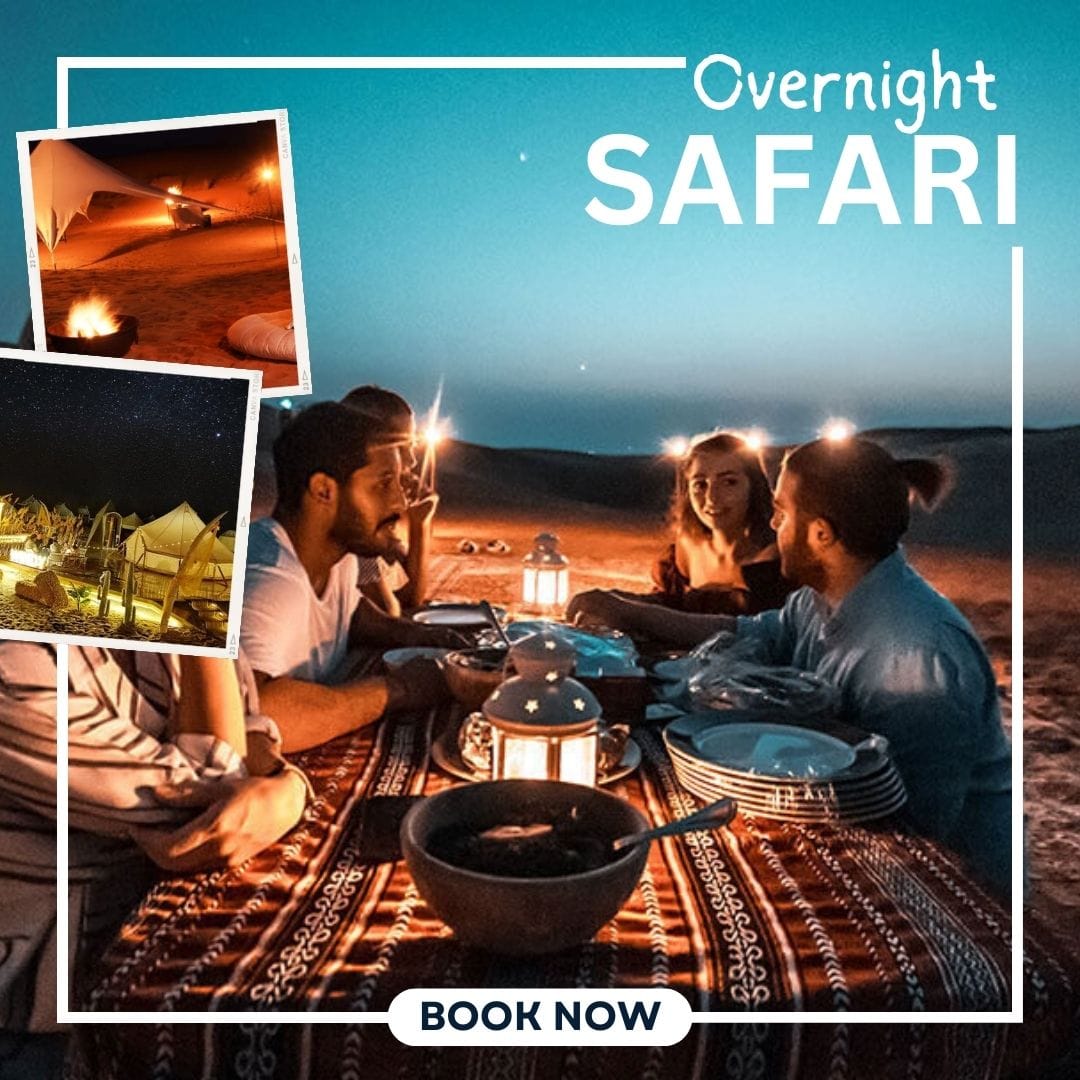
Overnight Desert Safari
Nomadic Navigation by the Desert Stars
Without physical landmarks across shifting dunes, Bedouin wayfinders navigated vast trade corridors using the Al Thuraya (Pleiades) constellation and the North Star (Al Jadi). They read wind patterns on dune wave crests to determine seasonal water wells.
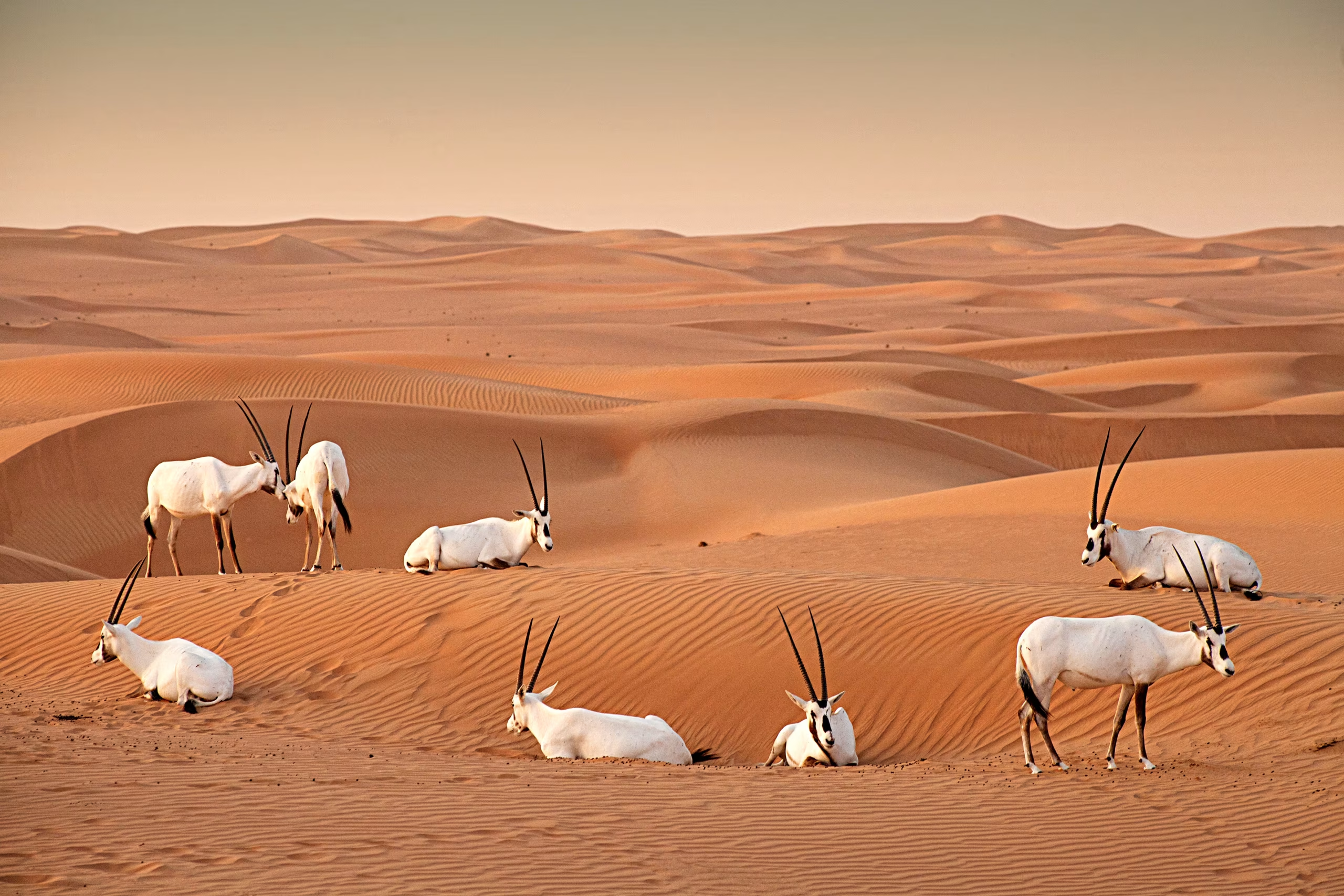
Heritage overnight safaris frequently conclude with astronomy sessions detailing these ancient tracking techniques. For ethical travel recommendations, consult our guide on sustainable desert safari operator checklists, and familiarize yourself with regional fauna in our Arabian desert wildlife spotting guide.
Preserving Living Heritage for Future Generations
By participating in heritage-first tourism, visitors directly fund desert cultural foundations and artisans keeping traditional weaving (Sadu) alive. It is an unforgettable journey bridging Dubai's golden nomadic past with its visionary present.